🎯 Marketing Automation · AI Tools · Small Business
AI Marketing Automation Ideas
for Small Business (Real Examples)
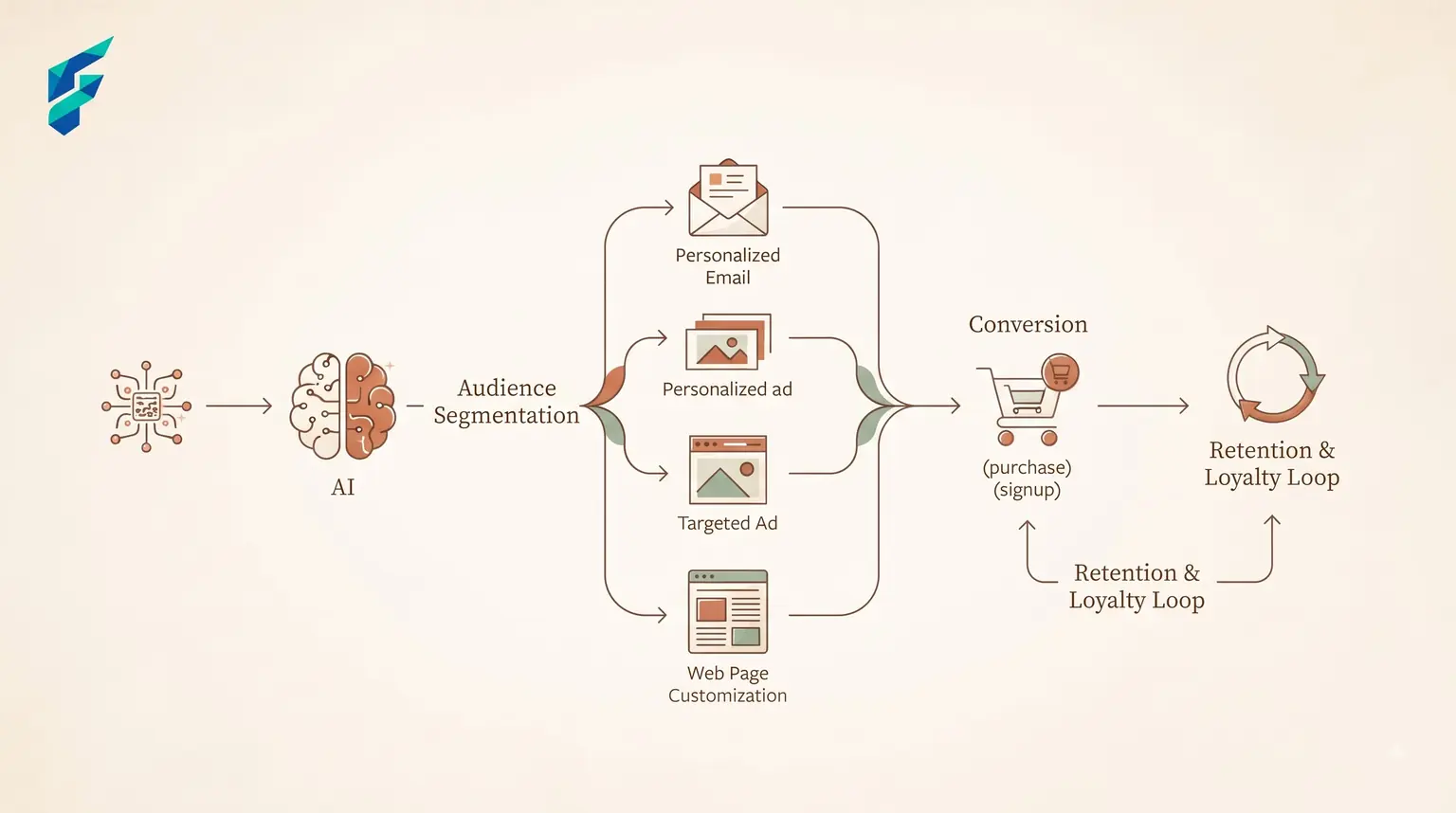
Most marketing automation advice stays abstract — "automate your funnel," "personalize at scale" — without ever naming an actual workflow you could build this afternoon. Here are ideas specific enough to actually set up, in roughly the order they're worth doing.
Quick answer: Start with automating the repurposing of content you're already creating — one blog post or update becomes three or four social posts automatically. It's the lowest-effort, lowest-risk automation on this list, and it compounds every time you publish something new.
Content repurposing
New blog post or update published → AI drafts social captions, an email blurb, and pulls one strong quote or stat for a standalone post → all queued for your review. This turns fifteen minutes of manual repurposing work into a two-minute review, every time you publish.
Before I set this up, I was publishing a blog post and then letting it sit. Maybe I'd share it once on social and forget about it. Now every piece of content automatically becomes four to five assets across LinkedIn, X, and email. I review each one in about 30 seconds. The compounding effect is real — content that used to get one touchpoint now gets five.
✅ Pro tip: You don't need expensive tools to start. Check out our guide on free AI marketing tools for small business — most of them include content repurposing features at zero cost.
Welcome sequences for new subscribers or customers
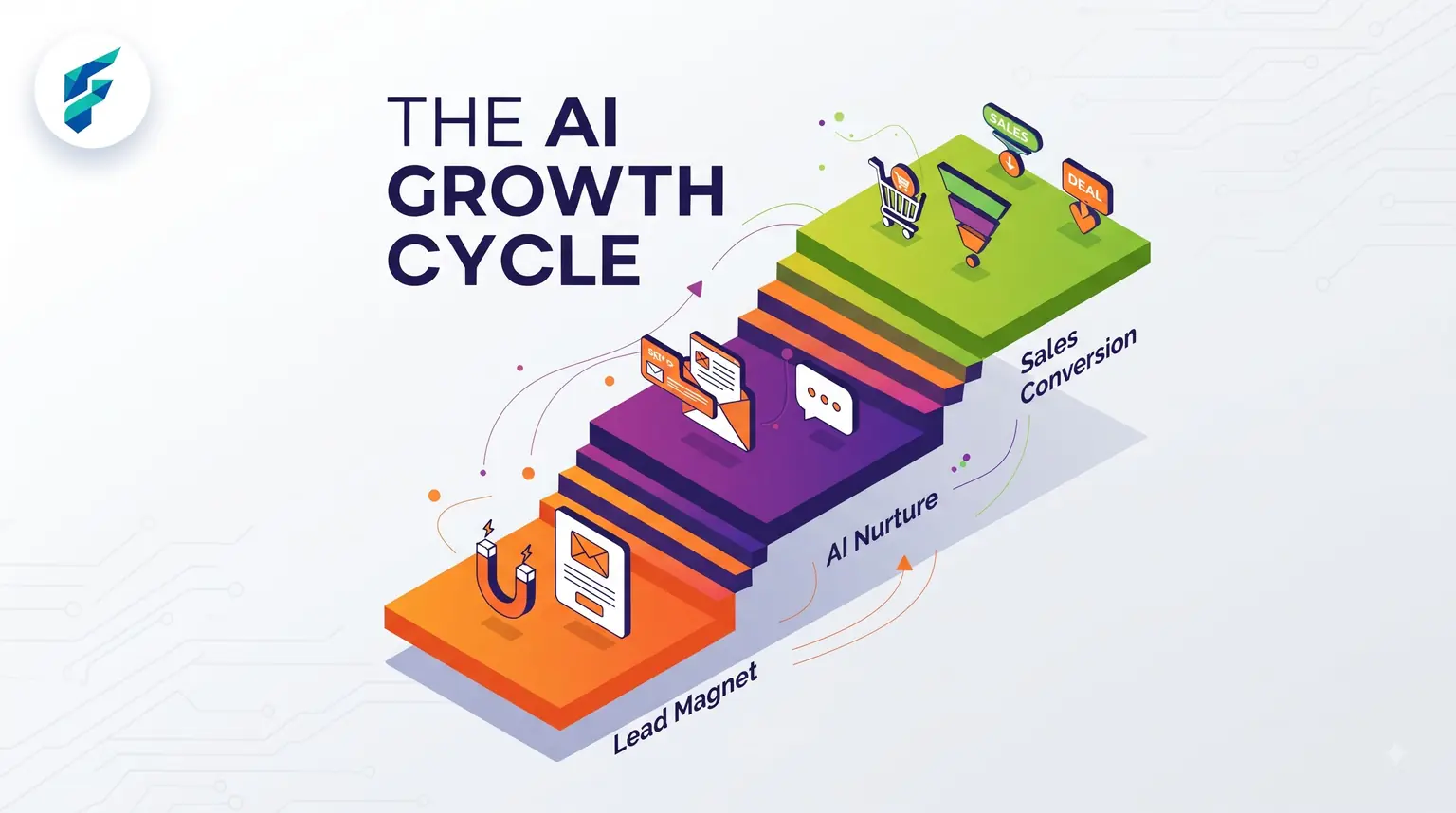
Someone signs up for your email list or makes a first purchase → an AI-assisted sequence introduces your business, sets expectations, and offers something useful — without you writing a new one from scratch for every subscriber, and without it reading like a generic template if you feed it real specifics about your business up front.
This connects directly to how we think about AI tools for small business marketing — the welcome sequence is often the highest-leverage single automation because it sets the tone for every future interaction.
Abandoned cart or inquiry follow-up
Someone starts checkout and doesn't finish, or asks a question and goes quiet → an automated, AI-drafted follow-up goes out after a set delay, referencing what they were actually looking at. This is one of the highest-ROI automations in ecommerce specifically, because the intent was already there — the follow-up just closes the gap.
💡 Industry insight: According to Salesforce's research on AI for small business, abandoned cart recovery with AI-personalized messaging can recover 10-15% of otherwise lost sales — making it one of the fastest payback automations you can implement.
Review and feedback requests
After a purchase or completed service, an automated request goes out asking for a review — timed to when satisfaction is highest, and personalized enough that it doesn't read as an obvious mass blast.
I used to manually email customers a week after purchase asking for reviews. Maybe 10% responded. Now it's automated and goes out at the 5-day mark when satisfaction peaks. Response rate jumped to about 28% because the timing is better and the message references their specific purchase. The whole thing runs without me touching it.
Social listening and response drafting
AI tools can monitor mentions of your business or relevant keywords and draft a response for your review — useful for catching and responding to mentions you'd otherwise miss entirely, especially across platforms you don't check daily.
Segmented, AI-personalized email campaigns
Instead of one email blast to your whole list, AI can help draft variations targeted at different segments — recent customers versus lapsed ones, for instance — without manually writing three or four separate versions of the same campaign.
We had a segment of "one-time buyers who never came back" sitting untouched for eight months. Once we targeted them with an AI-drafted re-engagement sequence referencing their original purchase, about 12% came back. That segment alone generated more revenue in a month than our last three generic newsletters combined. If you haven't segmented your list yet, this is the place to start.
Ideas that sound good but rarely pay off for small businesses
- Fully automated ad copy generation with no review. Ad platforms' AI tools generate copy fast, but unreviewed AI ad copy at scale tends to drift generic and can misrepresent pricing or claims if you're not checking it. Always review before it goes live.
- Automating your brand voice entirely away from human input. The most successful AI marketing automation still has a human periodically checking that the output still sounds like the business, not like a competent stranger.
Comparing where to start
| Automation idea | Setup effort | Ongoing time saved | Risk if unreviewed |
|---|---|---|---|
| Content repurposing | Low | High — every publish | Low |
| Welcome sequences | Moderate (one-time) | High, ongoing | Low |
| Abandoned cart/inquiry follow-up | Moderate | High for ecommerce | Low-moderate |
| Review requests | Low | Moderate | Low |
| Social listening + drafted responses | Moderate | Moderate | Moderate — review before posting |
| Segmented email campaigns | Moderate | Moderate-high | Low, with review |
Where to start this week
Content repurposing, if you're already publishing anything regularly — it's the fastest to set up and has zero downside since you're reviewing everything before it goes out anyway.
If I had to pick just one to start with this week, it would be content repurposing. The setup takes about 30 minutes, there's no downside since you review everything before it goes out, and the time savings compound with every piece of content you publish. Once that's running smoothly, move to review requests — they're almost as easy to set up and the ROI is immediate. Check our Tool Finder filtered for marketing automation tools to compare options for your specific stack.