🤖 AI Assistants · Personal Assistant · Small Business
AI Personal Assistant Tools
for Small Business Owners
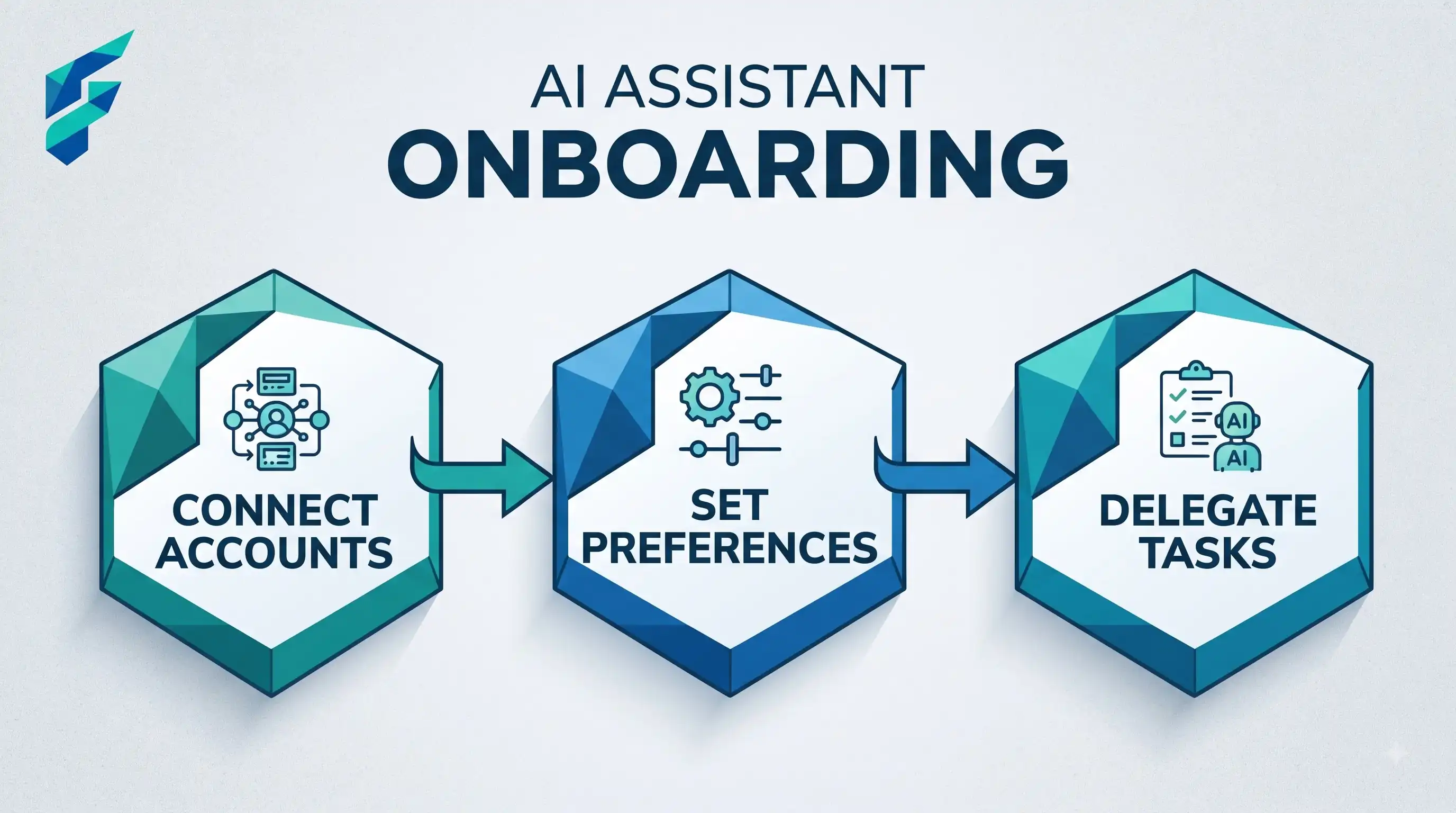
"AI personal assistant" covers a wide range, from a scheduling bot that finds meeting times to a general AI chatbot you talk to throughout the day like a sounding board. Worth separating these because they solve different problems and get evaluated differently.
Quick answer: For most solo owners, a general AI chatbot used consistently throughout the day — for drafting, research, quick decisions, thinking out loud — delivers more value than a narrower "AI assistant" product, simply because it flexes to whatever you need that day instead of doing one fixed job.
Scheduling assistants
These handle a specific, narrow job well: finding a meeting time across calendars, sending the invite, handling reschedule requests, without the email back-and-forth. Worth using if you're scheduling with people outside your own calendar system regularly — clients, vendors, candidates.
I schedule about 15-20 external meetings per month with potential clients and collaborators. Before using a scheduling assistant, I'd spend 30-45 minutes per week just on the "does Tuesday work? What about Thursday?" email chain. Now I send a link and the meeting gets booked automatically. That's roughly 3-4 hours saved per month, and zero awkward scheduling delays.
✅ Pro tip: For more on daily workflow automation, check out our guide on AI productivity tools for small business — it covers how to build a cohesive assistant-style tool stack.
General-purpose AI as a daily assistant
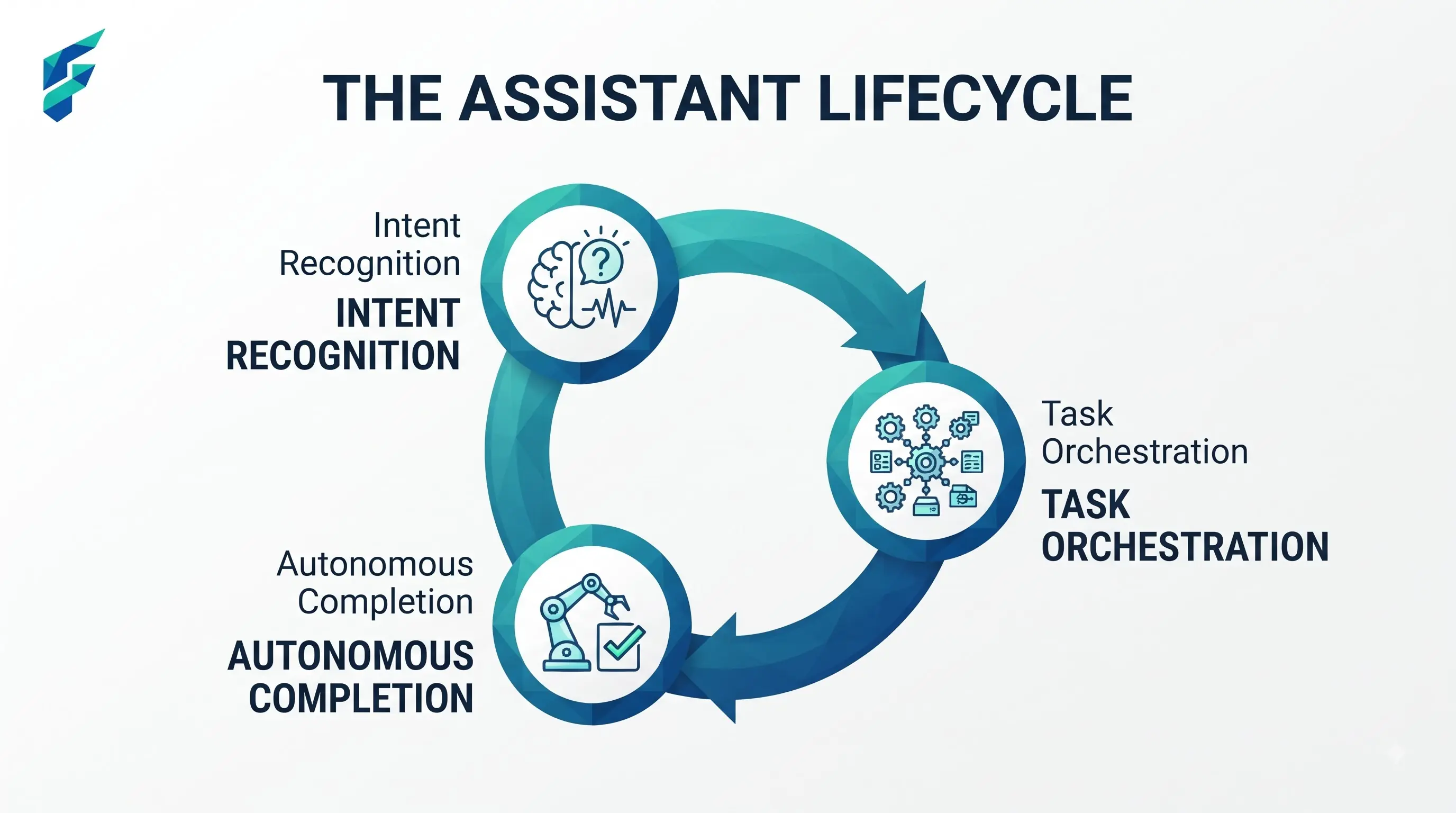
Using a chatbot as an ongoing thinking partner — drafting throughout the day, summarizing things you don't want to fully read, being a sounding board for a decision — tends to deliver more compounding value than a single-purpose tool, precisely because it's not locked into one function. The tradeoff is it requires you to know what to ask; a narrower tool needs less direction because it does one thing.
I use ChatGPT as my daily thinking partner. I'll draft client emails, research competitor pricing, brainstorm blog post angles, and even think through hiring decisions. It's not perfect, but having a sounding board available 24/7 without scheduling a call or waiting for a response is genuinely valuable. The key is being specific in your prompts — vague questions get vague answers.
Email and inbox assistants
Covered in more detail in our guide on AI email management tools for small business, but worth a mention here specifically in the "personal assistant" framing: drafting replies, summarizing threads, sorting priority — all genuinely useful, none of it a full replacement for you making the actual decisions on anything that matters.
Where AI assistants can't replace a real one
- Judgment calls that need context only you have. An AI doesn't know which client relationships need extra care, which vendor always needs a follow-up nudge, or which task you've been quietly avoiding for a reason worth examining. A real assistant, over time, learns these things. AI starts over with each conversation unless you explicitly provide that context every time.
- Physical tasks and in-person coordination. Obvious, but worth stating: nothing here handles anything requiring a physical presence or genuinely in-person judgment.
- Building outside relationships on your behalf. A real assistant can build rapport with your regular vendors or clients over time in a way that reflects on your business. AI-drafted communication, however good, doesn't carry that same relationship-building weight.
I tried using AI to draft follow-up emails to a long-term vendor relationship. The emails were technically perfect — polite, clear, professional — but they felt transactional. My vendor replied asking if everything was okay, because the tone was "off." I realized the AI didn't capture the casual, friendly dynamic we'd built over two years. I switched back to writing those myself. The AI handles new vendor outreach fine, but established relationships need the human touch.
💡 Reality check: AI personal assistants handle the mechanical parts of assistant work — scheduling, drafting, summarizing. They don't handle the relationship and judgment parts. For a solo owner without budget for a real assistant yet, this covers a meaningful chunk of the workload. It's not the same thing, and treating it as a full substitute sets you up for disappointment.
Comparing your options
| Tool type | Best for | Typical cost | Handles judgment calls | Replaces a real assistant |
|---|---|---|---|---|
| Scheduling-specific assistants | Frequent external meeting coordination | $0-20/mo | No, narrow by design | No |
| General AI chatbot used daily | Flexible, ongoing support across tasks | $0-20/mo | Only with context you provide each time | Partially, for mechanical tasks |
| Email/inbox AI assistants | Heavy email volume | Often included in email platform | No | No |
The honest bottom line
These tools genuinely reduce the mechanical workload of running a small business solo. They don't replace the judgment, relationship-building, or context a real assistant brings — that's still work only you (or eventually, a real hire) can do.
My current setup: I use a scheduling assistant for all external meetings, a general AI chatbot for daily drafting and research, and email AI for triage and quick replies. I still write all relationship-critical emails myself and make all judgment calls on priorities. The AI handles maybe 60-70% of what a real assistant would do, but at 1/10th the cost. When revenue supports it, I'll hire a part-time human assistant for the relationship and judgment work. Until then, this hybrid approach works.
If you're ready to build your own AI assistant stack, start with one tool for your biggest time-drain — scheduling, email, or daily drafting. Then check our Tool Finder filtered for personal assistant and productivity tools to compare options side-by-side.