📝 Copywriting · AI Tools · Ecommerce
AI Product Description Generators
What to Check Before You Trust One
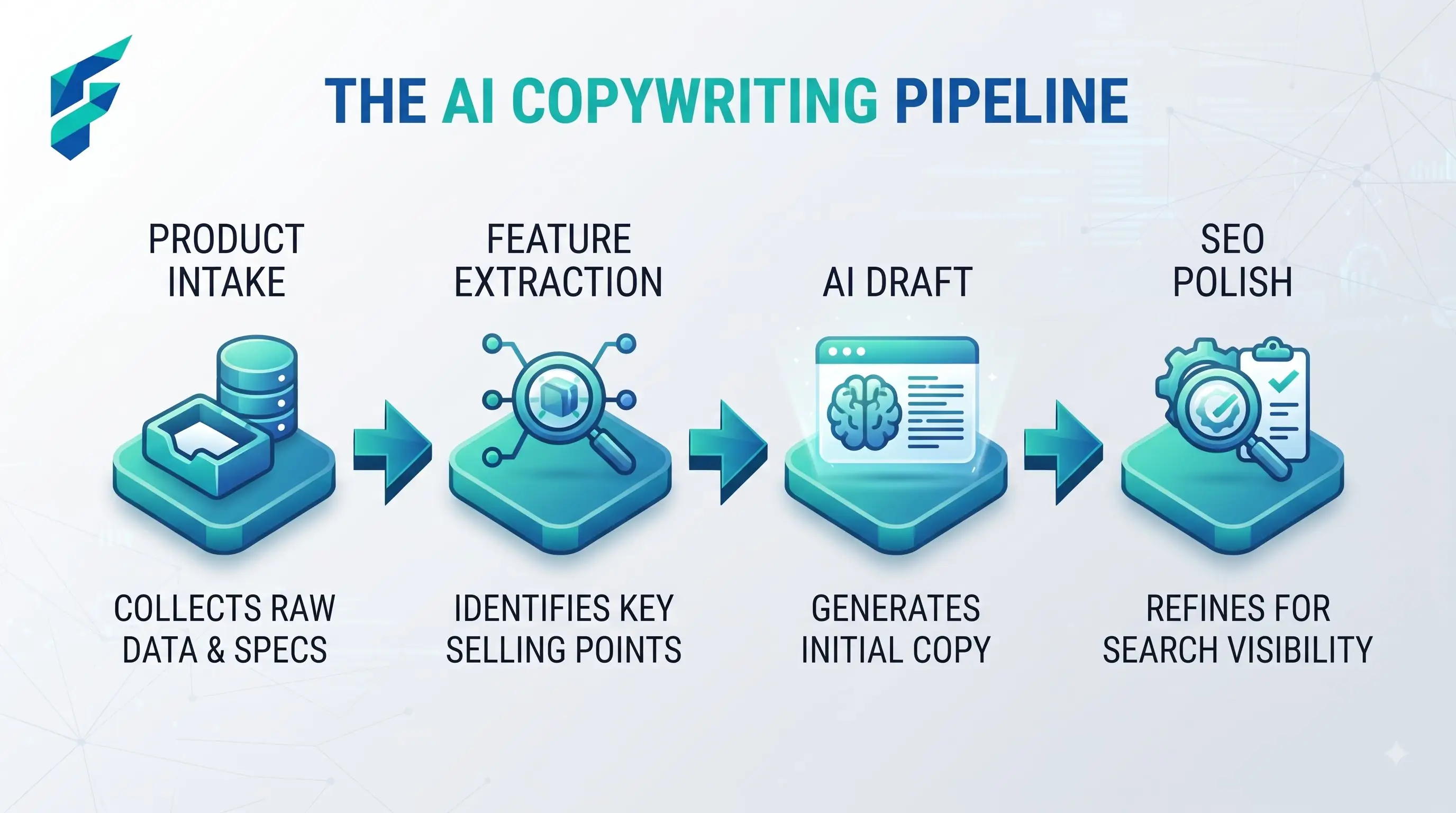
The pitch for these tools is always the same: turn a spec sheet into a polished description in seconds. That part's true. The part that gets glossed over is what happens across a catalog of 200 products when you generate them all the same way — a real risk worth understanding before you commit an afternoon to bulk-generating your entire store.
Quick answer: AI product description generators work well when you give them real, specific product details and review a sample before running your whole catalog through the same prompt. They work poorly when you feed them thin information and expect them to invent compelling details — which they'll do, sometimes inaccurately.
What these tools actually need from you
A generator is only as good as the input. Give it a product name and nothing else, and you get generic filler. Give it real specs — materials, dimensions, what makes it different from a similar product, who it's actually for — and you get something that reads like it was written by someone who's held the product, because effectively it was described by someone who has, even if the AI wrote the sentences.
I once used a generator for a handmade leather messenger bag. Instead of just giving it the name, I fed it: "full-grain vegetable-tanned leather, solid brass hardware, fits a 15-inch laptop, develops a rich patina over time, aimed at remote workers." The resulting description perfectly captured the rugged yet professional vibe without sounding like generic drop-shipping copy.
✅ Pro tip: For more on crafting compelling copy, check out our guide on AI writing tools for small business — it covers prompt strategies to avoid repetitive-sounding output.
The catalog-wide sameness problem
Run 200 products through the exact same prompt template and you'll notice it: the same sentence structures, the same adjectives, the same rhythm repeating across your whole store. Customers browsing multiple pages will pick up on this even if they can't articulate why the descriptions feel off.
Fix: vary the prompt itself across product categories, not just the product data. Use a different structure for apparel than for hardware. Spot-check ten descriptions from across your catalog, not just the first one, before assuming the batch is good.
Where accuracy actually matters
Generated descriptions can introduce small factual errors — a material claim, a size detail, a feature that doesn't exist — especially if the source information you provided was incomplete and the tool filled the gap with something plausible-sounding.
Early on, I generated descriptions for a line of stainless steel water bottles. The AI confidently stated they were "dishwasher safe" because it assumed that based on the material. In reality, the specific powder coating we used would peel in a dishwasher. Catching that before publishing saved us from a wave of customer complaints and returns. For anything with real consequences if wrong (materials for allergy-sensitive customers, safety specs, sizing), always have a human verify the generated description against the actual spec sheet.
💡 Broader context: As we cover in our guide on AI tools for ecommerce small business, product descriptions are just one piece of the puzzle. Pairing them with strong visuals (using tools like Canva) creates a much more compelling product page.
SEO considerations specific to this use case
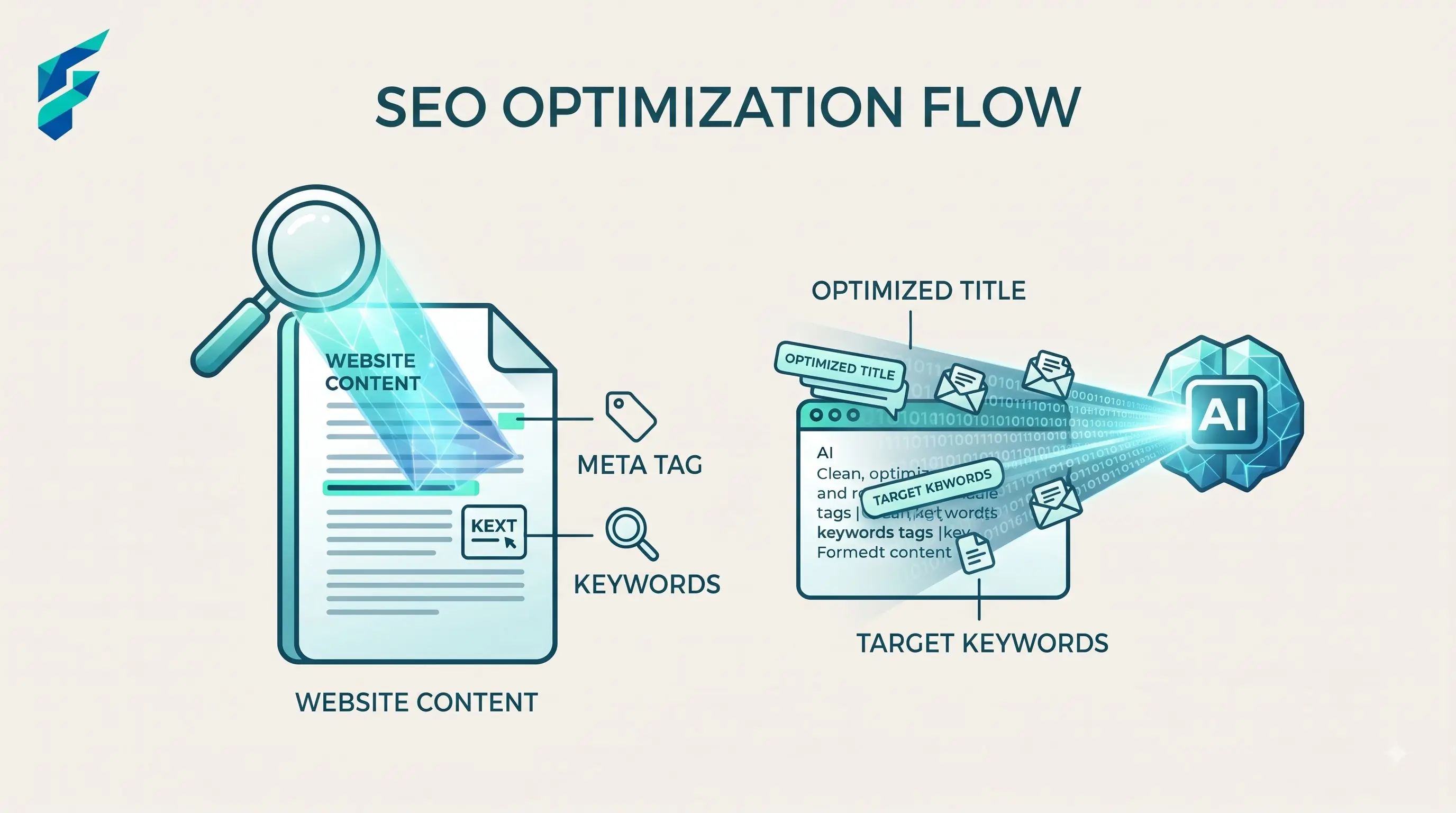
Unique, specific product descriptions tend to perform better in search than generic ones duplicated with minor variation across similar products — search engines are increasingly good at recognizing thin, repetitive content patterns. This is another reason varied input matters: it's not just about sounding better to a customer, it affects whether the page ranks at all.
Where these tools genuinely save meaningful time
Large catalogs with genuinely similar products in structure (a clothing line with the same format needed for every item — fit, material, care instructions) benefit the most, since the repeatable structure means the AI has a clear pattern to work within, and your review process can check the same few things every time.
Comparing your options
| Approach | Best for | Typical cost | Risk of catalog-wide sameness | Factual accuracy risk |
|---|---|---|---|---|
| Platform built-in generator (Shopify, etc.) | Quick bulk generation, standard products | Often included in platform cost | Moderate-high if used with one template | Moderate — review recommended |
| General AI chatbot (prompted individually) | Smaller catalogs, unique or complex products | $0-20/mo | Low, if prompts vary | Lower, if you provide full specs |
| Dedicated ecommerce copywriting AI | Large catalogs needing brand-consistent tone at scale | $20-100/mo | Moderate — depends on tool's variation handling | Moderate — review recommended |
The one habit that prevents most problems
Spot-check a random sample across your catalog after a bulk run — not just the first few entries, which are often the ones you paid the most attention to while testing the prompt. A random sample from the middle and end of a batch catches sameness and errors that checking only the start misses.
My current workflow: I draft 3-4 distinct prompt templates based on product category (e.g., one for apparel, one for accessories). I run a test batch of 20, spot-check 5 random ones from the middle of the batch, tweak the prompt if I see repetitive phrasing, and then run the rest. If you're looking for the right tool to start with, check our Tool Finder filtered for ecommerce and copywriting tools to compare options side-by-side.