🎯 Lead Generation · Sales · AI Tools
AI Lead Generation Tools
for Small Business (What Actually Works)
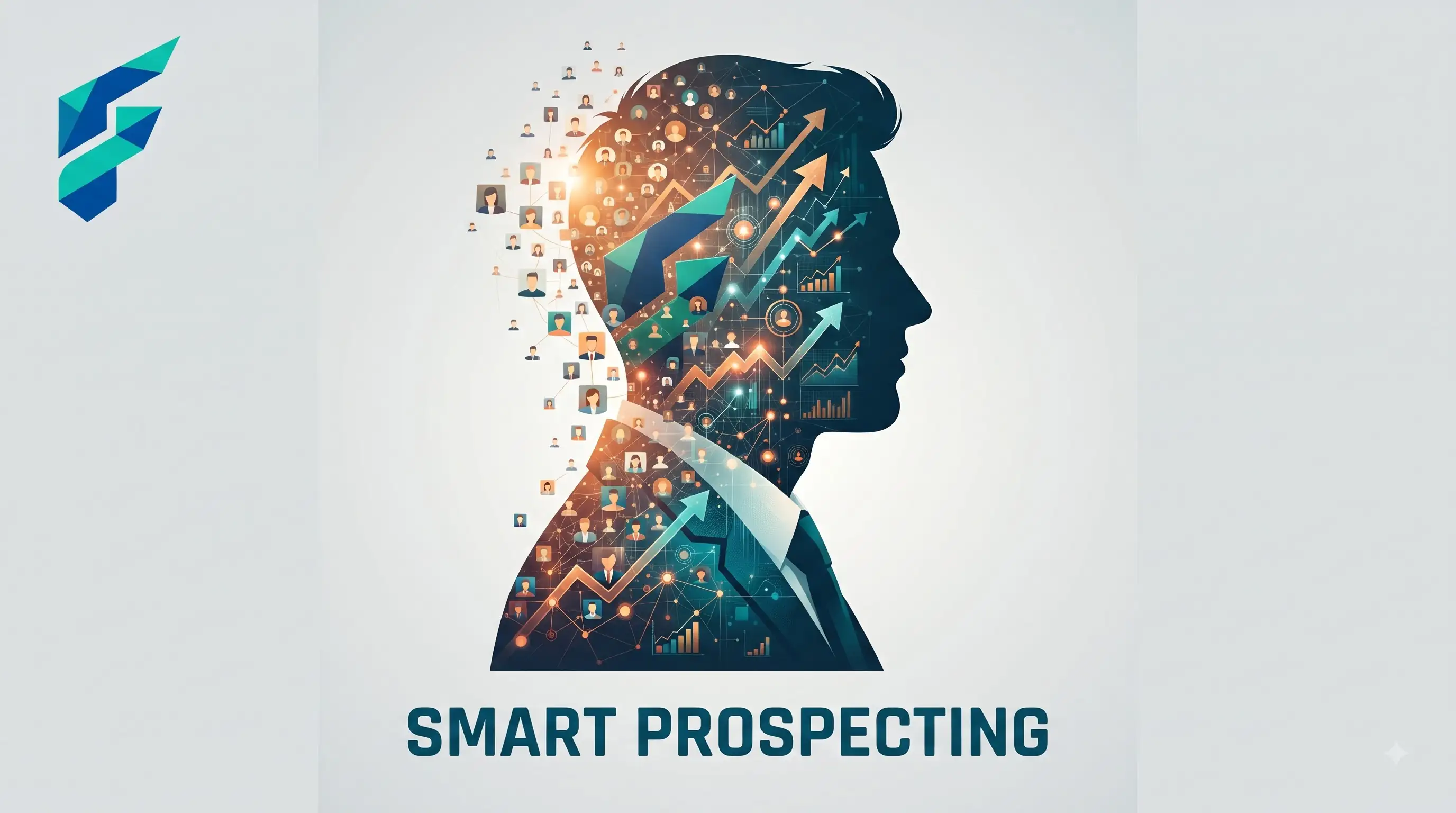
Lead generation is a category where the gap between marketing claims and real-world results tends to be wide — "AI finds your perfect customers automatically" oversimplifies a process that still requires real strategy underneath the tooling. Here's what these tools actually do well, and what they don't.
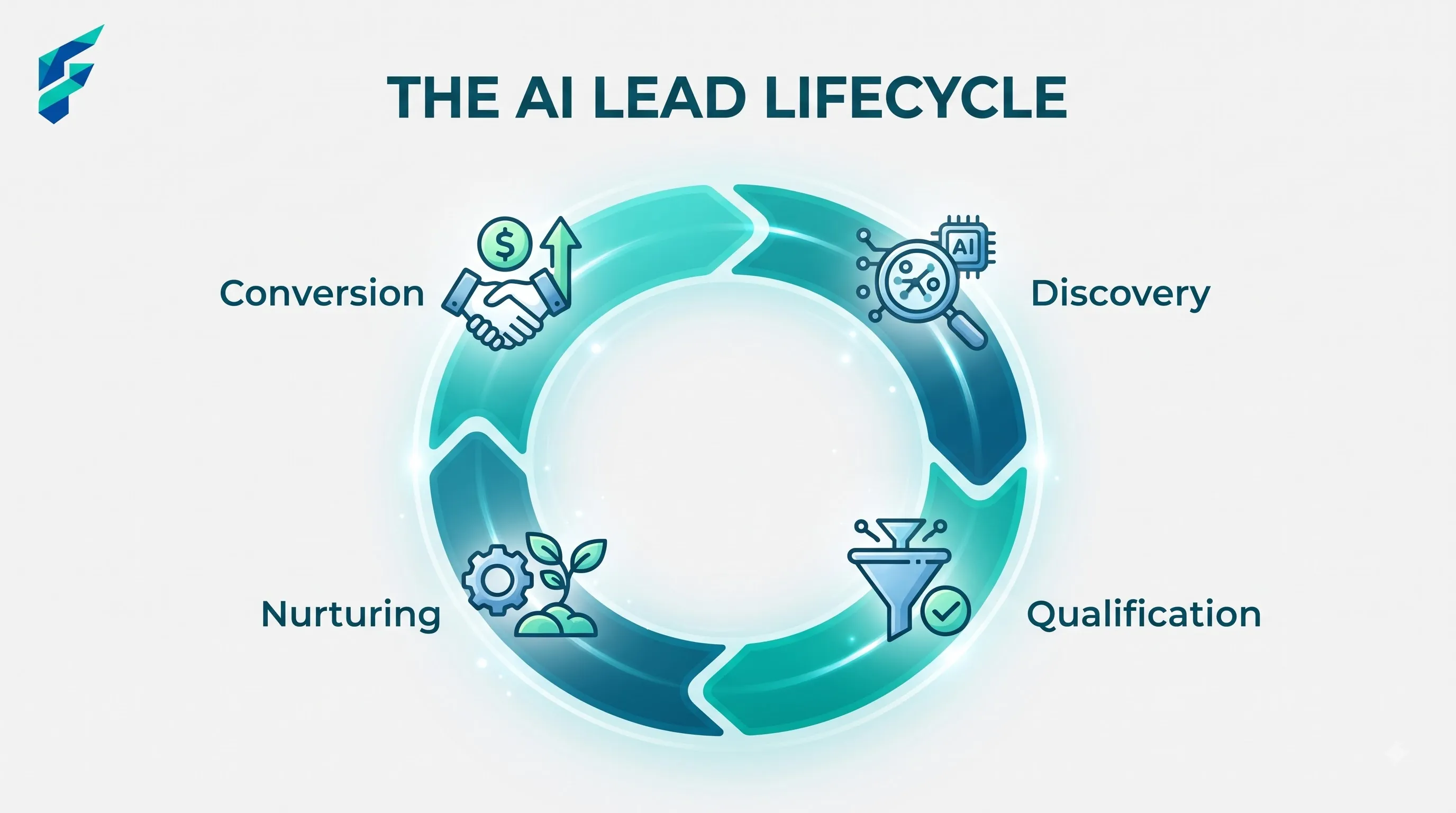
Quick answer: AI genuinely helps with the research and qualification side of lead generation — finding contact information faster, scoring which leads are most likely to convert, personalizing outreach at scale. It doesn't replace having a clear picture of who your actual best customers are; that still has to come from you.
Lead scoring and qualification
Feeding your CRM data into an AI-driven scoring system helps flag which leads are most likely to convert, based on patterns from your past customers — useful for prioritizing where your limited follow-up time goes. This works best with a real volume of historical data; with only a handful of past leads to learn from, the "scoring" is closer to a guess.
I didn't have enough lead history for this to be meaningful until about 6 months in. I had maybe 30-40 leads in my CRM, which wasn't enough for the AI to identify real patterns. Once I hit around 150-200 historical leads with clear conversion data, the scoring started becoming genuinely useful. Before that, I was just trusting a black-box algorithm with too little data.
Research and contact finding
AI-powered tools that identify potential leads matching your ideal customer profile, and find contact information, save real research time compared to manual prospecting. The accuracy varies by tool and by how niche your target market is — broad B2C categories tend to have better data coverage than narrow, specialized B2B niches.
Personalized outreach at scale
Rather than a generic template blasted to a list, AI can draft outreach referencing something specific about each prospect — their company, a recent post, a relevant detail — faster than doing this manually for each one. This genuinely improves response rates over generic blasts, though it still needs a human review pass to make sure the personalization is accurate and not embarrassingly wrong.
✅ Pro tip: For more on tools that help you close the leads you generate, check out our guide on AI tools to boost sales for small business — it covers the full sales funnel from lead to close.
Where this category oversells itself
- "Automatically find your perfect customers." No tool replaces the work of actually defining who your best customers are and why. AI can search and match against criteria you provide — it can't invent that criteria from nothing and get it right.
- Cold outreach volume as a strategy on its own. AI makes it easy to send far more outreach than before, but volume without genuine targeting and personalization just means more people ignoring more messages, faster. The tools that work well are the ones used to sharpen targeting, not just increase volume.
- Lead generation without a plan for what happens next. Generating leads faster doesn't help if your follow-up process can't keep pace, or if there's no clear next step once someone responds. Fix the process before scaling the volume feeding into it.
I once bought a tool that promised to "automatically find and contact your ideal customers." I fed it my website URL and waited for magic. What I got was 500 generic outreach emails to people who had nothing to do with my actual target market. The tool had no context for what made my best customers actually valuable — it was just pattern-matching on job titles and company size. I wasted $200 and two weeks cleaning up the mess.
💡 Reality check: According to HubSpot's research, personalized outreach based on specific prospect research performs significantly better than generic volume-based campaigns. The key is using AI to execute a strategy you've already defined, not expecting AI to create the strategy for you.
What actually moves the needle
The combination that tends to work: a clear, specific picture of your actual ideal customer (from you, not from AI), AI-assisted research to find more people matching that profile, and genuinely personalized outreach — not AI replacing the strategic thinking, but speeding up the execution of a strategy you already have.
Comparing your options
| Tool type | Best for | Typical cost | Data volume needed to work well | Replaces strategic targeting |
|---|---|---|---|---|
| AI lead scoring (within CRM) | Businesses with existing lead history | Often included in CRM plan | Moderate-high — needs real history | No |
| Prospecting/contact-finding tools | Outbound-focused businesses | $50-200/mo | Low — works from day one | No |
| AI outreach personalization | Any business doing cold or warm outreach | $20-100/mo | Low | No |
The honest starting point
Before buying a lead generation tool, write down — specifically — who your best current customers are and what they have in common. That's the input every one of these tools needs to actually work well, and it's not something any of them can generate for you from nothing.
My ideal customer profile took me 3 months to really nail down. I analyzed my top 20 customers by lifetime value and found patterns I hadn't noticed: they were all in the 10-50 employee range, they all had a specific tech stack, and they all came from the same two industries. Once I had that written down clearly, I could finally use AI tools effectively to find more of them. Before that, I was just spraying and praying.
If you're ready to build your lead generation stack, start by documenting your ideal customer profile. Then check our Tool Finder filtered for lead generation and sales tools to compare options that match your specific profile.